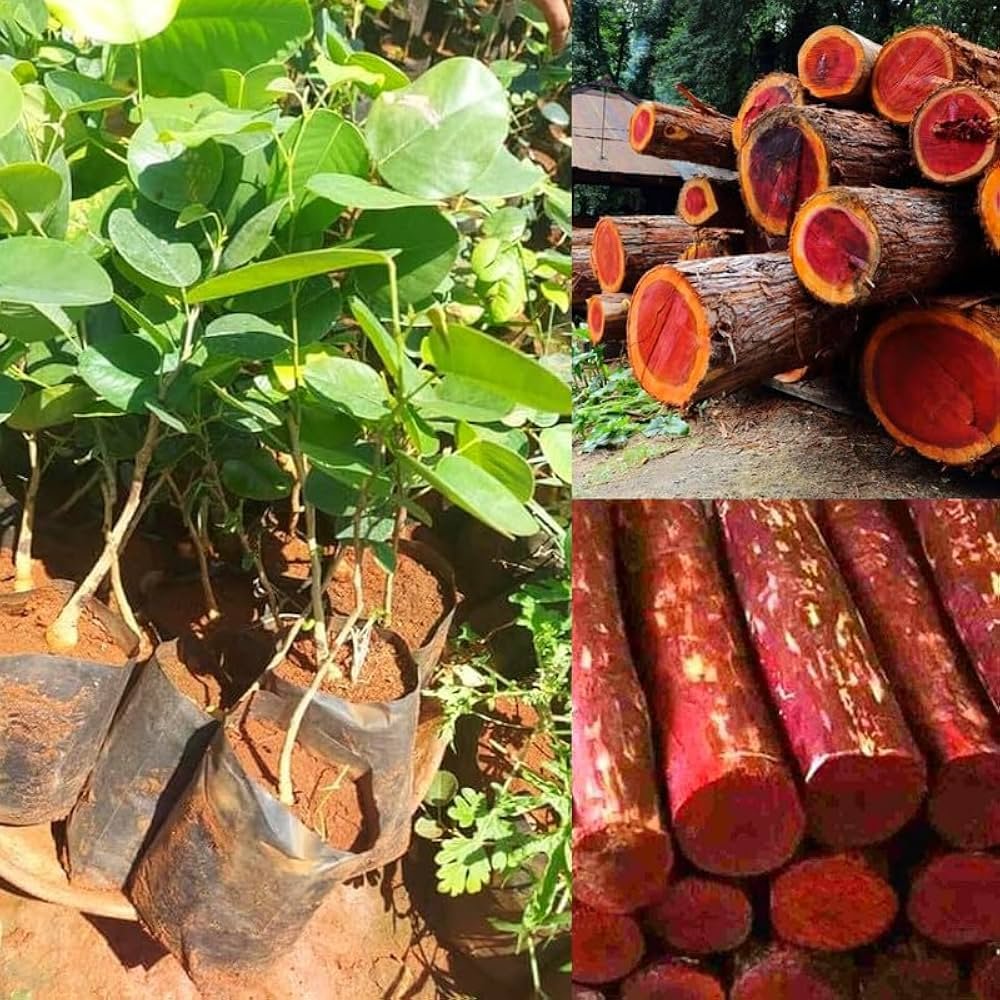
Karnataka
→ State Tree — special protection; cultivation encouraged
→ Private cultivation allowed since 2001 (GO No. FD 160 FRU 2001)
→ Mandatory plantation registration with DFO
→ Felling permission from Deputy CF required
→ Sale through KFDC or licensed depots only
→ Transit pass from Forest Range Officer
 Andhra Pradesh
→ Red sandalwood (Pterocarpus santalinus) is endemic — stricter control
→ White sandalwood private cultivation allowed
→ Registration with AP Forest Dept mandatory
→ PCCF approval for red sandalwood felling/transit
→ E-transit pass system operational
→ State auction for red sandalwood
 Tamil Nadu
→ Private land cultivation fully permitted
→ Registration with Forest Range Officer required
→ Felling permission from DFO required before harvest
→ Transit pass compulsory for transport
→ Sale to licensed wood depots or government
→ Tamil Nadu Forest Act, 1882 applies
 Telangana
→ Separate rules post-bifurcation (2014)
→ Red sandalwood needs special permission
→ White sandalwood private cultivation allowed
→ Online registration portal available
→ Forest Dept issues ownership certificates
→ Anti-smuggling check for red sandalwood transit
 Kerala
→ Kerala Forest Act 1961 governs sandalwood
→ Private Forests Act 1971 for large holdings
→ Registration with District Forest Officer
→ Felling: Prior permission with 6-month notice
→ Sale through Kerala State Forest Corp. preferred
→ Export only through government channels
 Maharashtra
→ Maharashtra Forest Act 1986 applicable
→ Private land cultivation permitted
→ Registration with Forest Department required
→ Felling permission from Conservator of Forests
→ No restriction on sale from private lands (with permit)
→ Transit pass required for movement
.jpg?width=96) Rajasthan
Rajasthan→ Rajasthan Forest Act 1953 applies
→ Private cultivation permitted on agricultural land
→ Semi-arid zones suitable with drip irrigation
→ Registration with Forest Department required
→ Felling permission from DFO before harvest
→ Transit pass required for transport
 Gujarat
→ Gujarat Forest Act 1963 applies
→ Private land cultivation permitted
→ Registration with Forest Department mandatory
→ Felling permission from Conservator of Forests
→ Saurashtra & Deccan regions most suitable
→ Transit pass required for movement